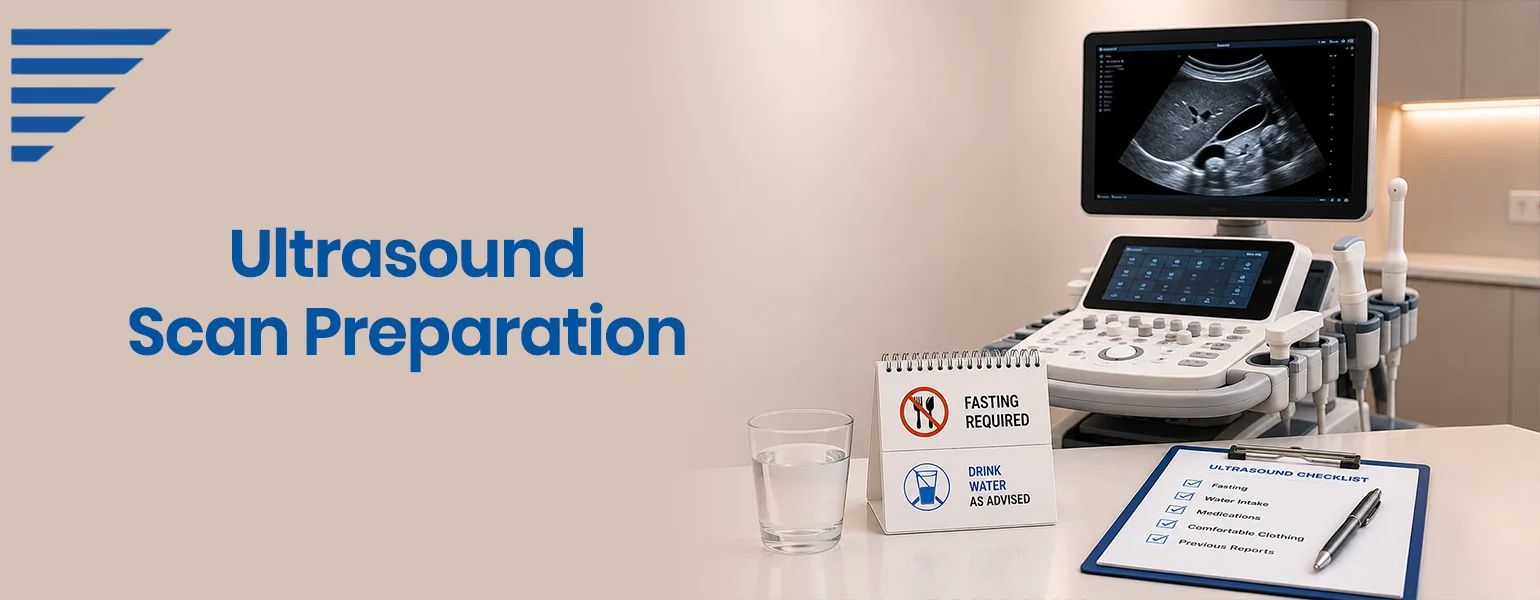
How to Prepare for an Ultrasound Scan: A Complete Guide
An ultrasound is a common imaging test that helps doctors view organs and soft tissues inside the body. Getting ready for the scan may involve a few simple steps, depending on which part of the body needs to be checked. Some ultrasound scans require an empty stomach, while others need the bladder to be full. Knowing these requirements in advance is important because food, fluids and other factors can influence how well certain organs and tissues appear on the ultrasound images.
How Ultrasound Preparation Supports Clear and Useful Scan Results
Different ultrasound scans need different conditions to capture useful images. The reason is that sound waves travel differently through fluid, soft tissue, and air. A suitable level of fluid in the bladder can improve the view of some pelvic structures, while excess gas in the digestive system may limit the visibility of certain abdominal areas. This is why preparation instructions are matched to the type of ultrasound being done.
Proper ultrasound preparation helps create the right conditions for the specific scan being scheduled. Following the instructions given for fasting, drinking water, medicines or meal timing can also help prevent avoidable delays and make the scan process easier for the patient.
Preparation for Ultrasound Scan: What Should You Do Before the Test?
Preparing for an ultrasound scan depends mainly on the area of the body being checked. Some tests need fasting, some require drinking water, and others may need little or no special preparation.
Fasting: Ultrasound fasting instructions may require you to avoid food for several hours before an abdominal scan so organs such as the liver and gallbladder can be viewed more clearly.
Hydration: Water intake before ultrasound is commonly advised for pelvic and urinary scans because a full bladder can help provide clearer images of nearby organs.
Medication: Continue your regular medicines as prescribed unless your doctor specifically advises otherwise. If fasting is required and you need to take medication with food, ask your doctor for instructions before the scan.
Clothing: Wear loose and comfortable clothes that make it easy to expose the area being scanned. You may also be asked to remove jewelry or accessories near that area.
How to Prepare for an Abdominal Ultrasound
During an abdominal ultrasound, the radiologist may need to view organs such as the liver, gallbladder, pancreas, kidneys and spleen. Since these organs are located close to the digestive system, the condition of the stomach and bowel can affect the images. Following the recommended abdominal ultrasound preparation can help provide a clearer view of the areas that need to be assessed.
Do All Ultrasound Scans Require Fasting?
No, fasting is not required for every ultrasound. Thyroid, breast, soft-tissue and many pregnancy scans may have different requirements.
If you are unsure how to prepare for an ultrasound scan, check your appointment instructions or contact the diagnostic center before visiting. Do not assume that the requirements for one type of ultrasound apply to another.
What Should You Tell the Radiologist Before an Ultrasound?
Before the scan begins, let the radiologist or imaging team know about any recent surgery, ongoing treatment or previous imaging related to the same health concern. It is also helpful to explain where you have pain, swelling or other symptoms and how long you have noticed them. This information provides useful clinical context and helps the imaging team focus on the areas relevant to your doctor's request.
What to Do Before Your Ultrasound Appointment
Simple planning can make preparation for ultrasound scan easier and reduce confusion on the day of your appointment.
Confirm: Check which ultrasound has been prescribed and whether fasting or a full bladder is required.
Timing: Plan meals and water intake around your appointment time according to the instructions provided.
Reports: Carry previous ultrasound reports, scans, prescriptions or related medical records when available for clinical reference.
Arrival: Reach the center a little early so registration and other formalities can be completed without rushing.
Expert Ultrasound Imaging and Patient Guidance
Choosing the best ultrasound scan center in Hyderabad should involve looking at factors such as experienced imaging professionals, appropriate equipment, clear patient instructions and proper reporting practices. Good communication is also important. Before your appointment, ask about preparation for ultrasound scan requirements so you understand whether you need to fast, drink water or follow any scan-specific directions.
Conclusion: Be Ready for Your Scan
Ultrasound requirements are not the same for every patient or every scan. Following the preparation instructions specific to your ultrasound, such as fasting or bladder filling when required, can help you arrive prepared and avoid unnecessary inconvenience during your visit.
At Sprint Diagnostics, individuals can receive guidance about scan-specific requirements before their scheduled evaluation. If you have an ultrasound prescription or are unsure about the preparation needed, contact the diagnostic team and book an appointment for appropriate guidance and imaging.
Home Sample Collection Process
1
Book your convenient slot
2
Sample Collection by Phlebotomist
3
Reporting of the sample at lab
4
Download Reports
Note: Home Sample Collection is only for Pathology lab tests.
Frequently Asked Questions
Many ultrasound scans take around 15 to 30 minutes, although the time can vary. The body area being scanned and the type of ultrasound can affect the duration.
If you accidentally eat before the scan, inform the diagnostic team. They can advise whether the examination can proceed or whether it needs to be rescheduled based on the type of ultrasound and the preparation required.
If you have been advised to fast, avoid tea, coffee and other beverages as instructed. Follow the specific fasting and water-intake instructions provided for your ultrasound.
Yes, but it depends on the type of ultrasound. If your scan requires a full bladder, you may need to avoid urinating for a specific period before the appointment. Once the necessary images are taken, you can usually use the washroom.
Ultrasound gel removes air between the skin and the probe, allowing sound waves to travel properly. This helps the equipment create clearer images of the structures inside the body.
No, an ultrasound scan is generally not painful. The probe is moved gently over the skin with a small amount of gel. You may feel slight pressure or temporary discomfort if the area is sensitive or the scan requires a full bladder.