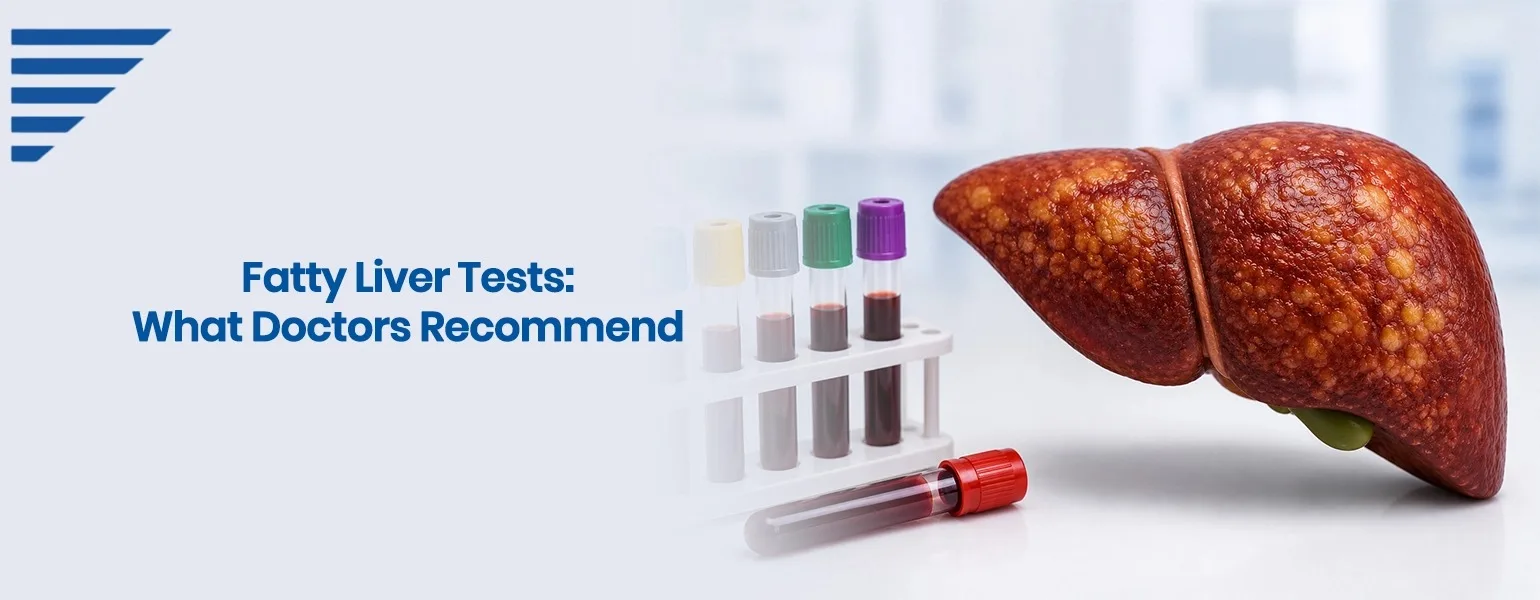
Understanding Fatty Liver Testing and Liver Health
Fatty liver occurs when the liver has more fat than normal. It may not cause noticeable symptoms in the early stages, which means a person can have it without knowing. Doctors commonly evaluate fatty liver using blood tests and imaging scans. Blood tests provide information about liver health and may help assess the risk of liver injury or fibrosis, while imaging can help detect excess fat in the liver. The findings can show whether changes in the liver need closer attention, additional testing or regular monitoring.
Why Early Testing Is Important for Fatty Liver
Testing at an early stage can help detect excess liver fat and identify changes that may need medical attention. It is particularly relevant for people with metabolic health concerns, as conditions such as diabetes, obesity, high cholesterol and high triglycerides are commonly linked with the growth of fatty liver.
If the test results show signs of fatty liver, doctors can check how much the liver is affected and whether further evaluation is needed. This can help determine if further tests or regular monitoring are needed. It also helps people make suitable changes to their diet, physical activity and weight with medical guidance.
How Test Results Help Identify Fatty Liver
A fatty liver diagnosis usually involves looking at several test results together rather than relying on one report. Blood tests can show changes in liver enzymes and other values linked with liver health, while imaging can show fat buildup, stiffness or changes in the liver's structure. Doctors also consider a person's medical history and existing health conditions to understand the findings and decide whether more tests or follow-up are needed.
Blood: A liver function test can show changes in ALT, AST, bilirubin and albumin levels. These results provide useful information about liver injury and liver function. Abnormal values may indicate liver injury or changes in how the liver is working.
Ultrasound: An abdominal ultrasound can show changes in the liver's appearance that may indicate excess fat. It can help detect fatty liver and determine whether further evaluation may be needed.
Elastography: This scan checks how stiff the liver tissue is. Increased stiffness can be linked with fibrosis or scarring, so the result can help doctors understand whether fatty liver disease has caused further changes in the liver.
MRI: MRI-based liver fat measurement can estimate the amount of fat present in the liver in greater detail. The findings may be useful when doctors need a more precise assessment of liver fat.
Why These Tests Are Important for Fatty Liver Evaluation
One test alone may not provide enough information to understand the condition of the liver. Knowing how to diagnose fatty liver usually involves reviewing both blood test results and imaging findings. Together, these can show liver-related changes, fat buildup and possible stiffness or scarring. By reviewing these results together, doctors can make a fatty liver diagnosis and understand whether the liver needs further tests or regular monitoring.
Who May Need Fatty Liver Screening?
Fatty liver screening may be considered for people with type 2 diabetes, obesity, high triglycerides, high cholesterol or other metabolic health concerns. Testing may also be advised if routine blood reports show abnormal liver enzyme levels or if an imaging scan indicates excess fat in the liver, even when there are no clear symptoms. The need for testing depends on individual health factors rather than symptoms alone.
Food Habits That Support Liver Health
Food choices can play an important role in managing fatty liver. A balanced diet with more vegetables, fruits, whole grains, pulses and lean protein can support overall liver health. It is also helpful to limit sugary drinks, highly processed foods, fried items and excess refined carbohydrates. Along with healthy food habits, understanding how to test for fatty liver can help people seek the right medical evaluation and monitor their liver health when needed.
Can Normal Blood Tests Rule Out Fatty Liver?
Normal blood test results do not always rule out fatty liver, as liver enzyme levels may remain within the expected range in some people. Based on individual health factors, a doctor may recommend imaging or another test to evaluate for fatty liver. Fatty liver screening may include both blood tests and scans, because a blood report alone may not always show whether fat has built up in the liver.
Conclusion: Early Testing Matters
A fatty liver diagnosis provides important information about the presence of excess liver fat and any related changes that may require medical attention. Timely evaluation also helps determine whether further assessment or monitoring is needed, allowing liver health to be followed with appropriate medical guidance.
If you have abnormal liver reports, metabolic health concerns or have been advised to undergo testing, Sprint Diagnostics provides laboratory and imaging services that can support your doctor's evaluation. Book the recommended test or speak with your healthcare provider about the appropriate next step.
Home Sample Collection Process
1
Book your convenient slot
2
Sample Collection by Phlebotomist
3
Reporting of the sample at lab
4
Download Reports
Note: Home Sample Collection is only for Pathology lab tests.
Frequently Asked Questions
Yes, fatty liver may be found during a routine health checkup if blood tests show abnormal liver enzyme levels or an ultrasound shows fat buildup in the liver. If a doctor sees these changes, they may recommend further tests to understand the liver condition better.
Mild fatty liver means a small amount of excess fat has been seen in the liver on ultrasound. A doctor may review the report along with blood tests and other health factors before advising any follow-up.
Fatty liver means excess fat has collected in the liver, while fibrosis refers to scar tissue that develops after ongoing liver injury.
Liver fat may decrease in some people with suitable weight management, physical activity, dietary changes and control of related health conditions. The approach depends on the person's health and medical advice.
There is no single testing schedule for everyone. A doctor may recommend follow-up based on liver findings, metabolic health, medicines, age and other individual factors.